
SENTINEL CUTOUT
It had been a hard day at the place.
By late afternoon the heat had settled in heavy. The thermometer at the barn had reached the mid-eighties, and the humidity made the open sun unpleasant. I did not want to stand in it long.
By around six o’clock I was back on the Upper Watch, watching the weather change.
The larger weather was shifting. Heat and humidity still held the ground, but the wind had stopped arriving from one clean direction. North and northwest were present, but they did not dominate. At moments there was a push from the southeast, then quiet, then another movement. The pond showed it first: bright wedges of ripple, small reversals, wind marks spreading like spokes across the surface.
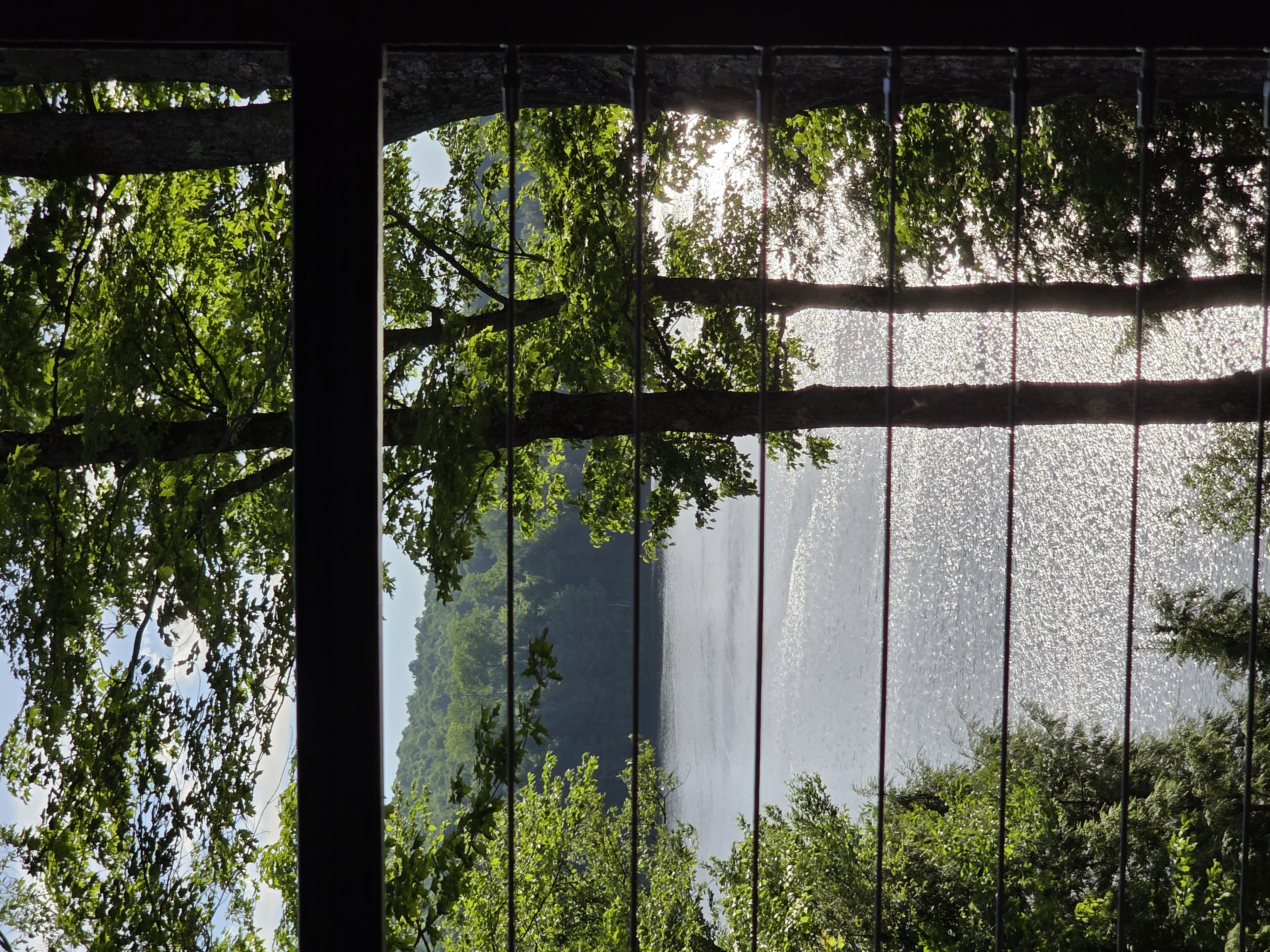
The trees answered the same way. They did not simply bend. They turned, corrected, and held.
That was when I looked again at the Sentinel.
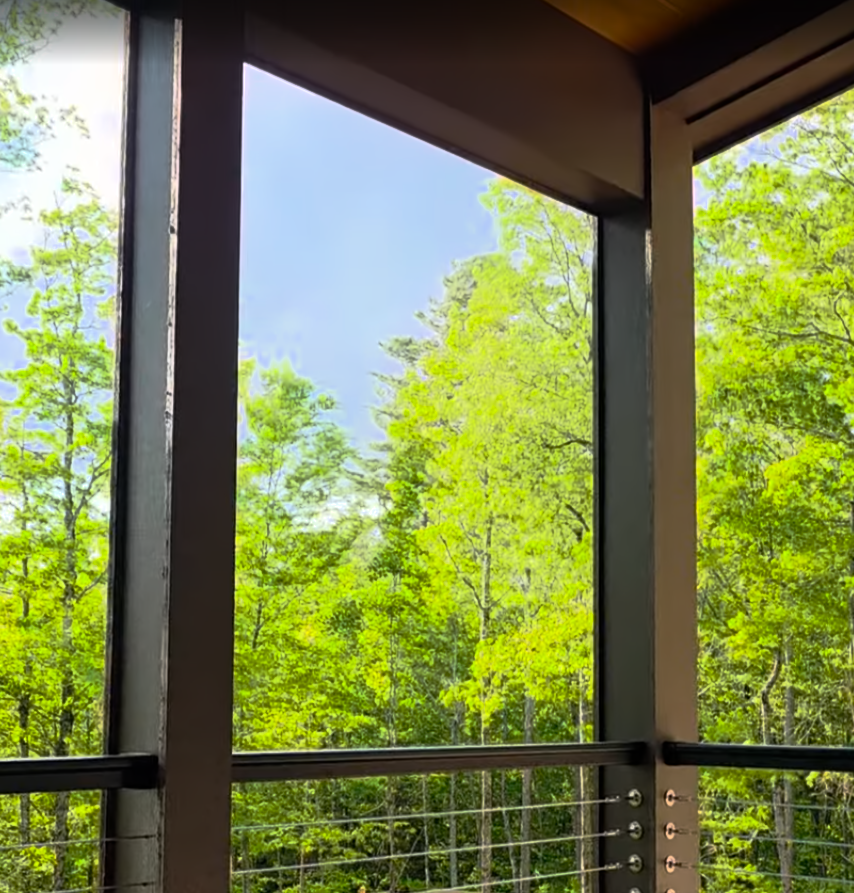
I had been gone for three days, and from where I stood it looked as if the tree might be leaning more. It may only have been the angle. It may have been the light, the weather, or the way I was seeing it after being away.
I could not measure the change from the Upper Watch that night.
Still, the thought came up plainly.
The Sentinel may outlast me. It probably will. But if it fell, and if I was still able to work it, I would try to craft a canoe.
I would have to study first. I would have to find out what that section of tree could give, what length could be managed, what shape might hold steady, and what tools the work would actually require.
I know a chainsaw would do the first rough work. After that, I would have to learn the rest before pretending I knew it.
The section would be opened, cut down, shaped out, and hollowed enough to carry a person across water.
It might sit low. It might roll. It might take water. It might not paddle worth a damn.
But the intention would be use.
If it worked, I would paddle it around the place. I would take it along the shoreline, through the bay, across the pond system, learning its balance, its stubbornness, its mistakes, and its use. I would circumnavigate the water in it if I could.
That would be the honor.
A standing tree would become a vessel. The vessel would carry me across the same water I watch from above, the same water that takes the wind apart and shows it back in pieces.
I would not be looking at the place from the Upper Watch only. I would be inside it, low on the water, moving by the edge of it.
And if I used it, I would care for it the way a hollowed tree would need to be cared for. I would not leave it drying on shore until it checked, opened, and cracked. I would keep it in the water between uses. I would know where it rested. I would bring it up when I could, paddle it when I could, and return it when I was done.
For as long as I could use it, that would be all it was.
A vessel kept ready.
After that, I would not know.
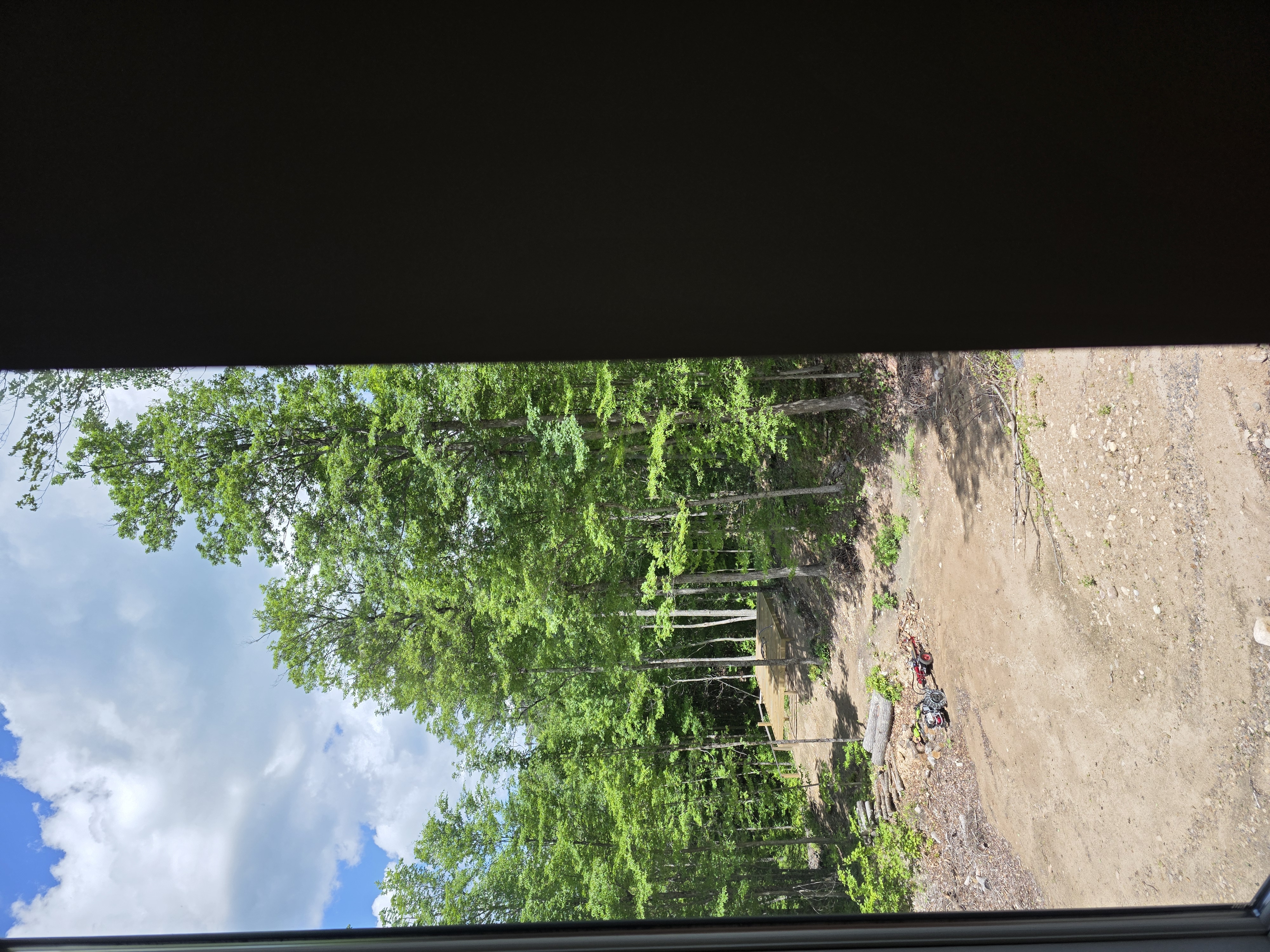
Follow-up, June 13, 2026. The next morning did not settle the lean question. Full summer leaf cover blocked the fixed window-frame view. The old optical baseline could not be repeated. From that view, no new lean could be confirmed or denied.