THE ROBIN
The robin enters as more than a bird record. Its song crosses the present field and reaches back toward older camps, lantern tables, lake air, and the learned habit of listening for a place before trying to explain it.
I grew up in Glens Falls, but summer opened somewhere else.
My parents had a camp just inside the Adirondack Park, remote enough that you could not drive to it. Everything had to be boated across the lake. There was no phone. No electricity except for a generator used mostly to make toast. The refrigerator, stove, oven, and hot water ran on propane.
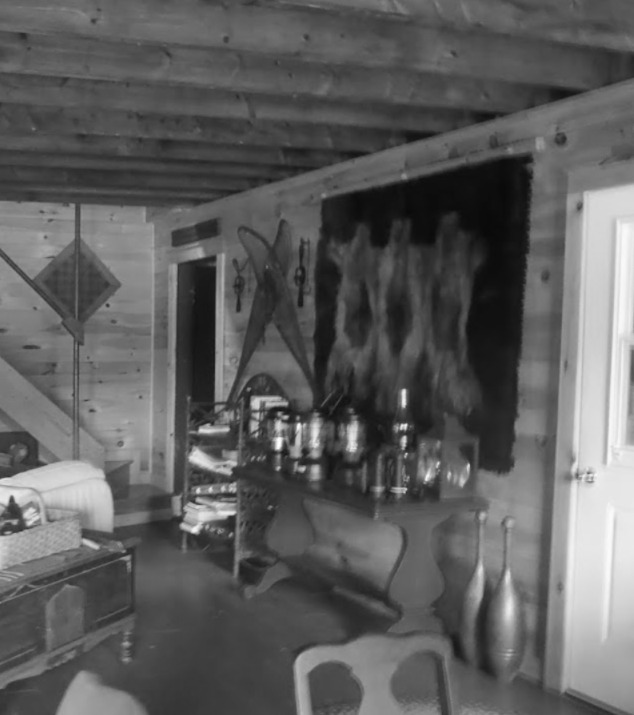
At night we used kerosene lanterns — Aladdin and Rayo mostly. Coleman lanterns worked, but they were too loud.
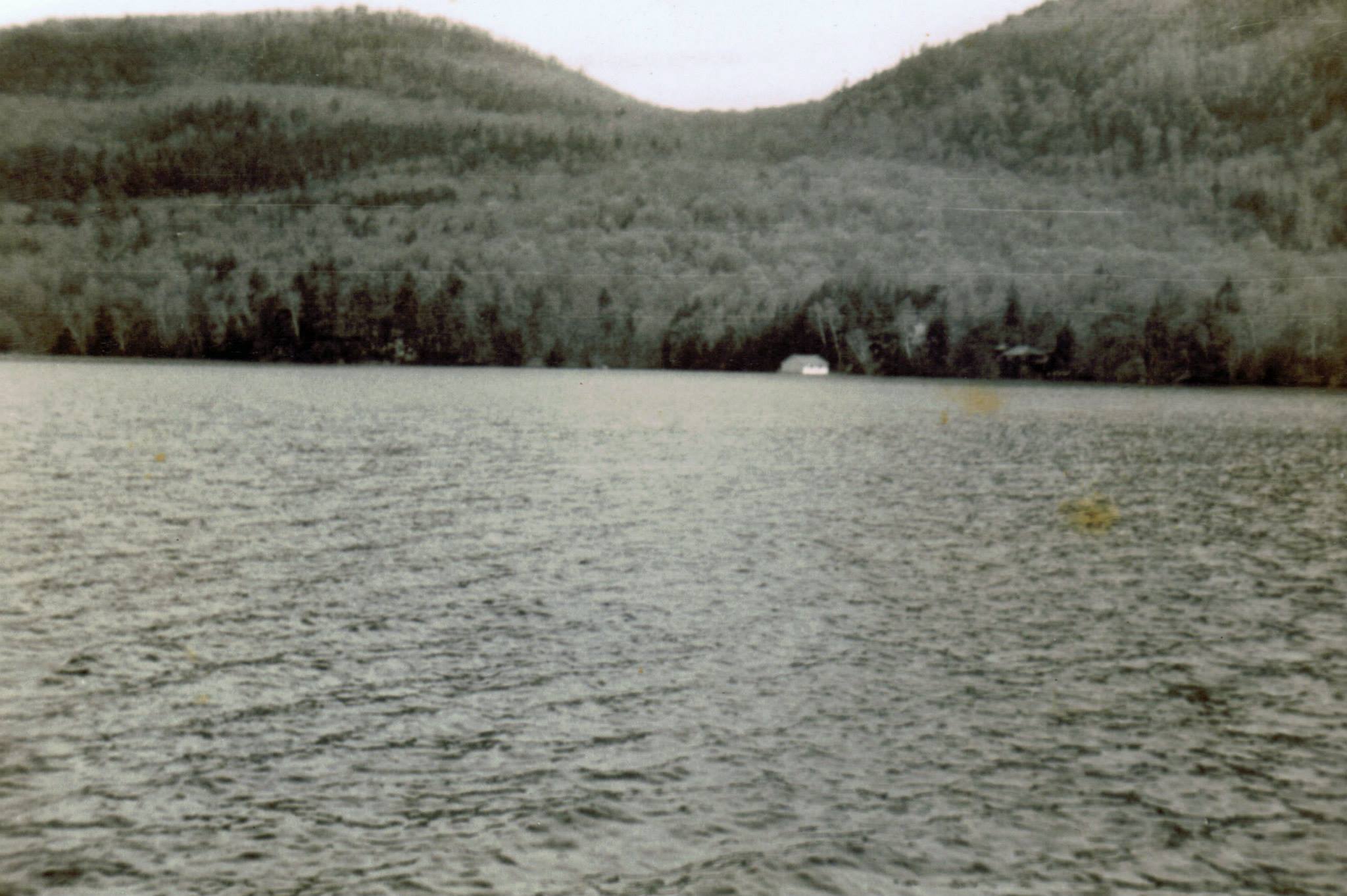
The camp had belonged first to my mother’s side of the family. My grandfather’s line was Hulsebosch. Fred LaBoeuf was farther back on my grandmother’s side. After my grandfather died, the shares passed through the family, and eventually my parents bought the camp with two other families.
In summer there were often a dozen kids there, sometimes more. We swam, fished, hiked, climbed the mountain, explored, and water-skied twice a day when the weather allowed it. Water skiing became an event. People from other camps would come over, and a whole loose tribe would make a loop around the lake.
It was an ordinary childhood paradise, which is to say I did not understand it while I was inside it.
The forest looked like forest. The lake looked like lake. The mountain looked permanent. The logged-over Adirondack ground, the glacial till, the second-growth woods, the old roads and paths — all of it seemed complete because I had no older version to compare it against.
But one day my mother noticed something.
“Is that a bird?”
It was a robin.
I remember the moment because of the surprise in it. Not alarm. Not drama. Just recognition breaking through absence. A robin should not have been remarkable. A robin should have been background. A robin should have been part of the ordinary noise of summer.
But it was remarkable.
It felt as if there were no birds. I cannot prove that. Memory is not a census. But the silence was strong enough that a robin became an event.
Only later did I understand the larger history around that silence.
Black flies, mosquitoes, nuisance insects — the human answer had been chemical. Planes sprayed. Trucks sprayed. Neighborhoods were fogged. In Glens Falls, I remember pumper trucks moving through the streets in early spring, laying down clouds that children ran through as if the poison were part of play.
That is the part that is hard to carry now.
Not because we were careless children. We were children.
Because the adults did not yet understand the scale of what had been released.
A little spray by humanity does not remain little. It enters soil, water, insect, worm, fish, egg, bird. It climbs the ladder. It thins the shell. It silences the branch. It turns a robin into an event.
Years later I came across Rachel Carson’s Silent Spring, and the title landed because I already knew the condition before I knew the book. I had heard that spring. Or more accurately, I had not heard it.
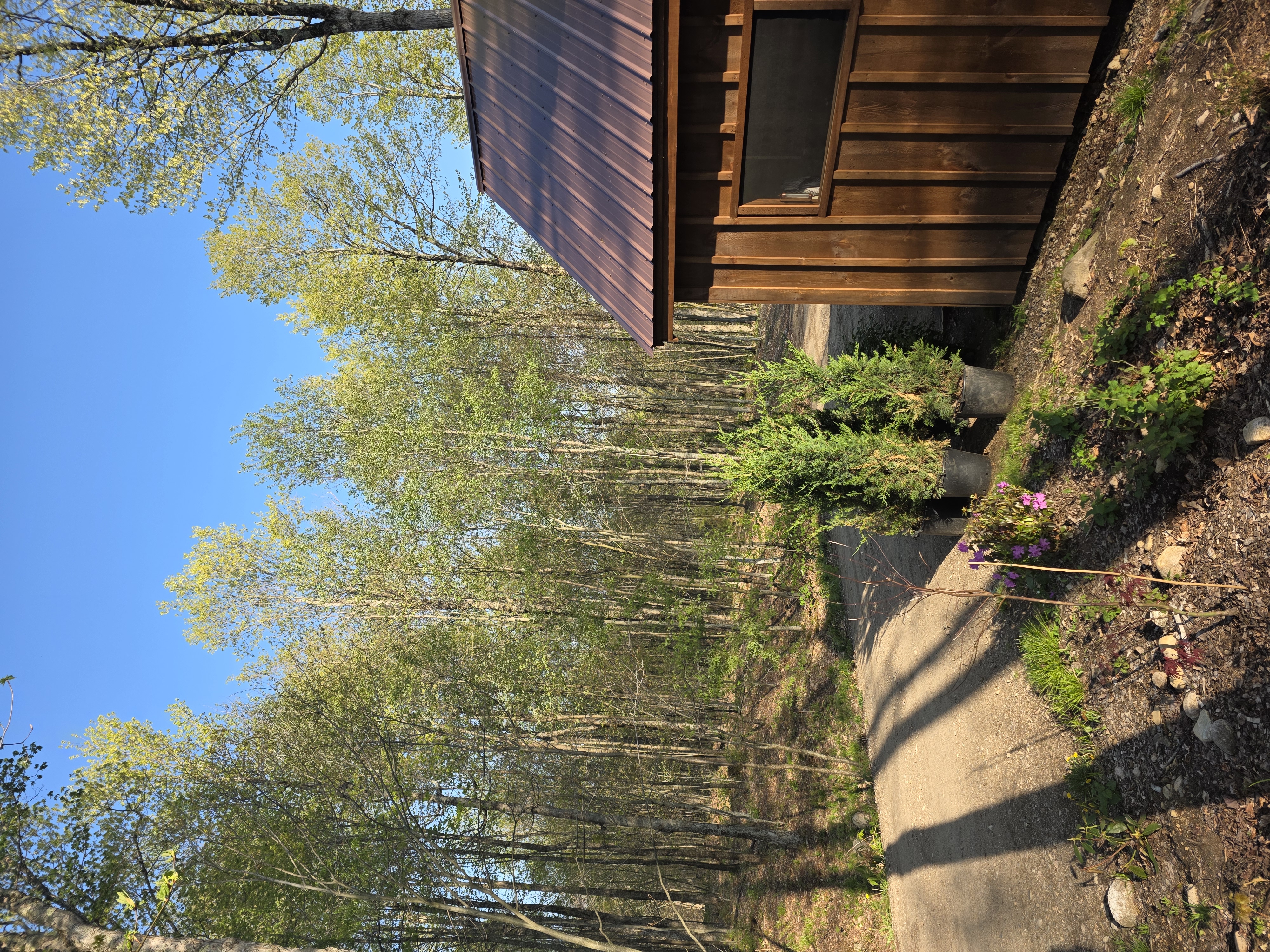
That may be why birds matter so much to me now.
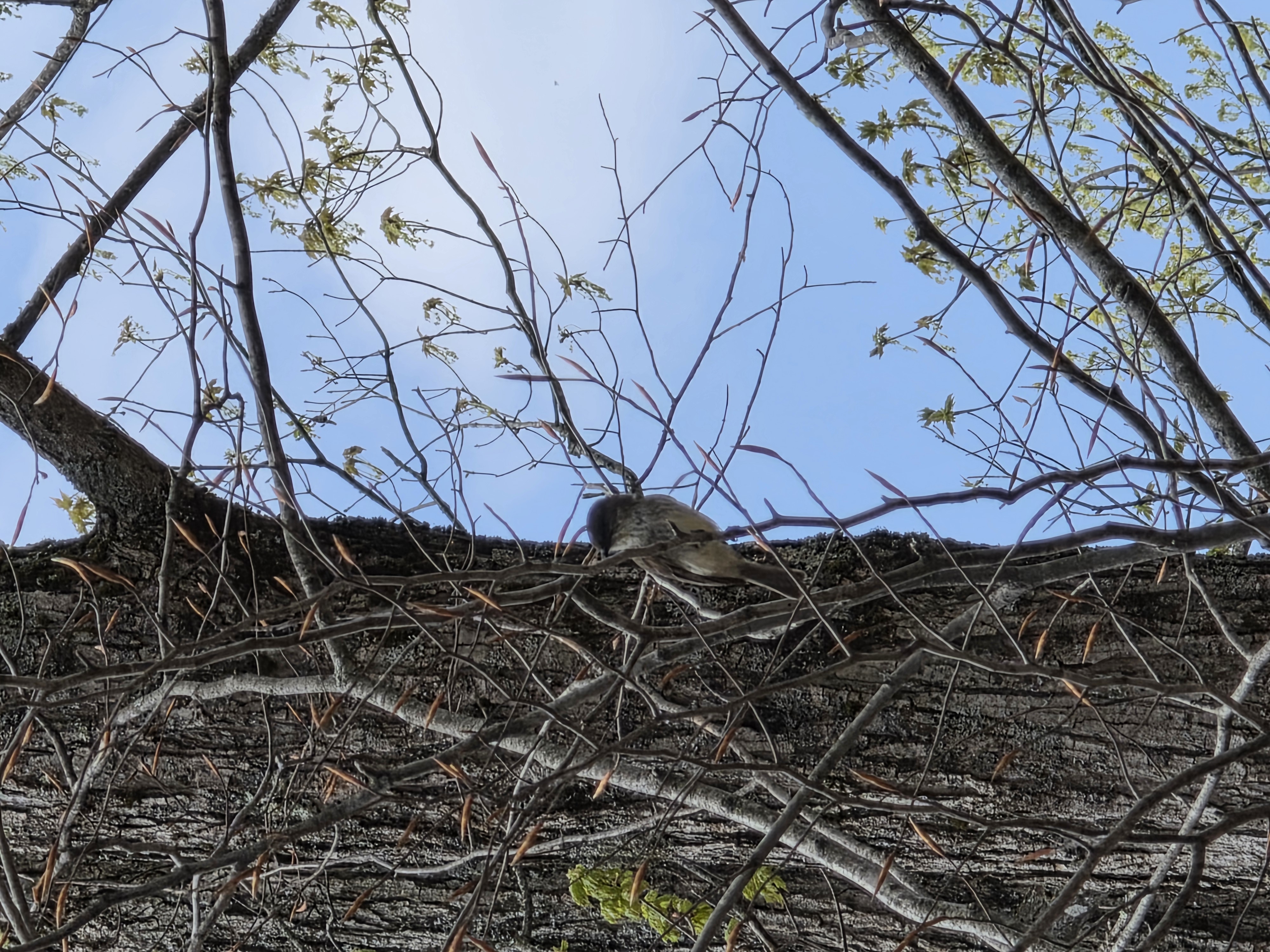
The eagle over water. The phoebe in the barn rafters. The junco working low near the ground. The ordinary robin stepping through the grass as if nothing historical is happening.
But something historical is always happening.
A bird seen now is not just color and song. It is recovery. It is evidence. It is a living counter-entry against the old confidence that the world could be sprayed into obedience without cost.
The robin was the first correction I remember.
Not the first bird.
The first witness.
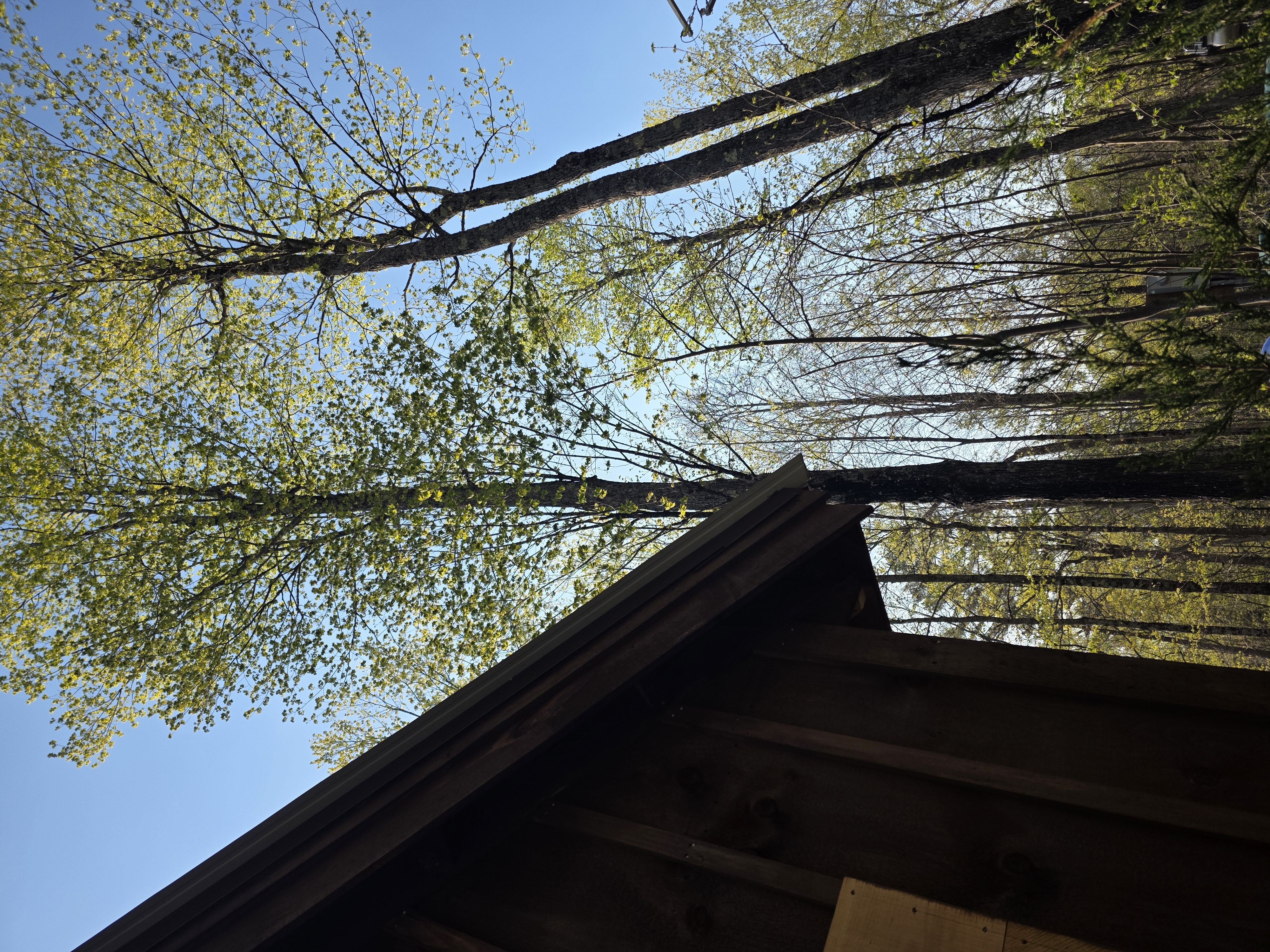
Recorded from the corner of the barn, looking up into the trees.
TWO NEST RECORDS
DATE: MAY 2026 | LOCATION: THE PLACE
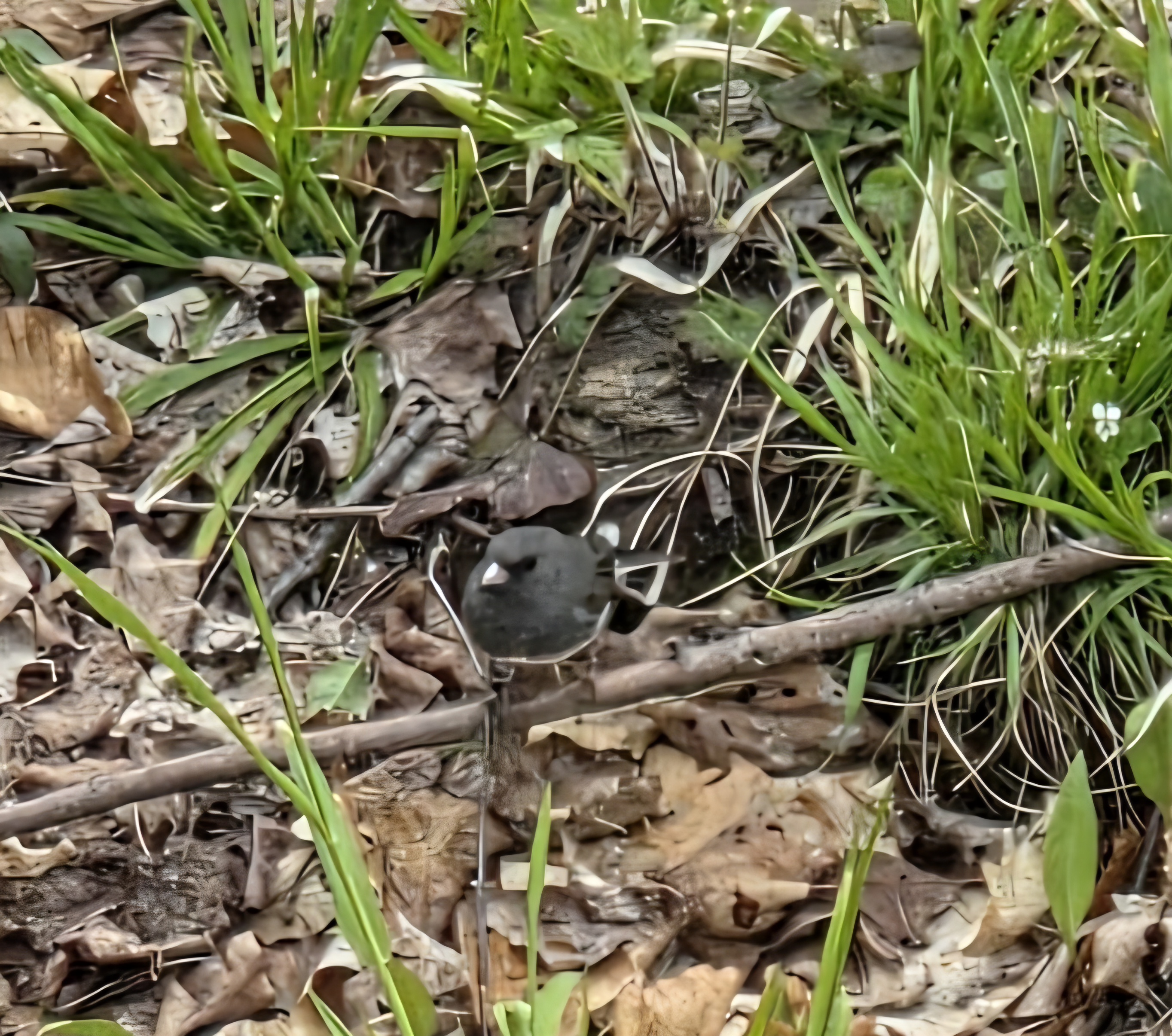
A dark-eyed junco was confirmed in the leaf litter, using the ground itself as cover.
The nest was not architecture in the obvious sense. It was placement: grass, leaves, shadow, stillness. The bird nearly disappeared into the floor it had chosen.
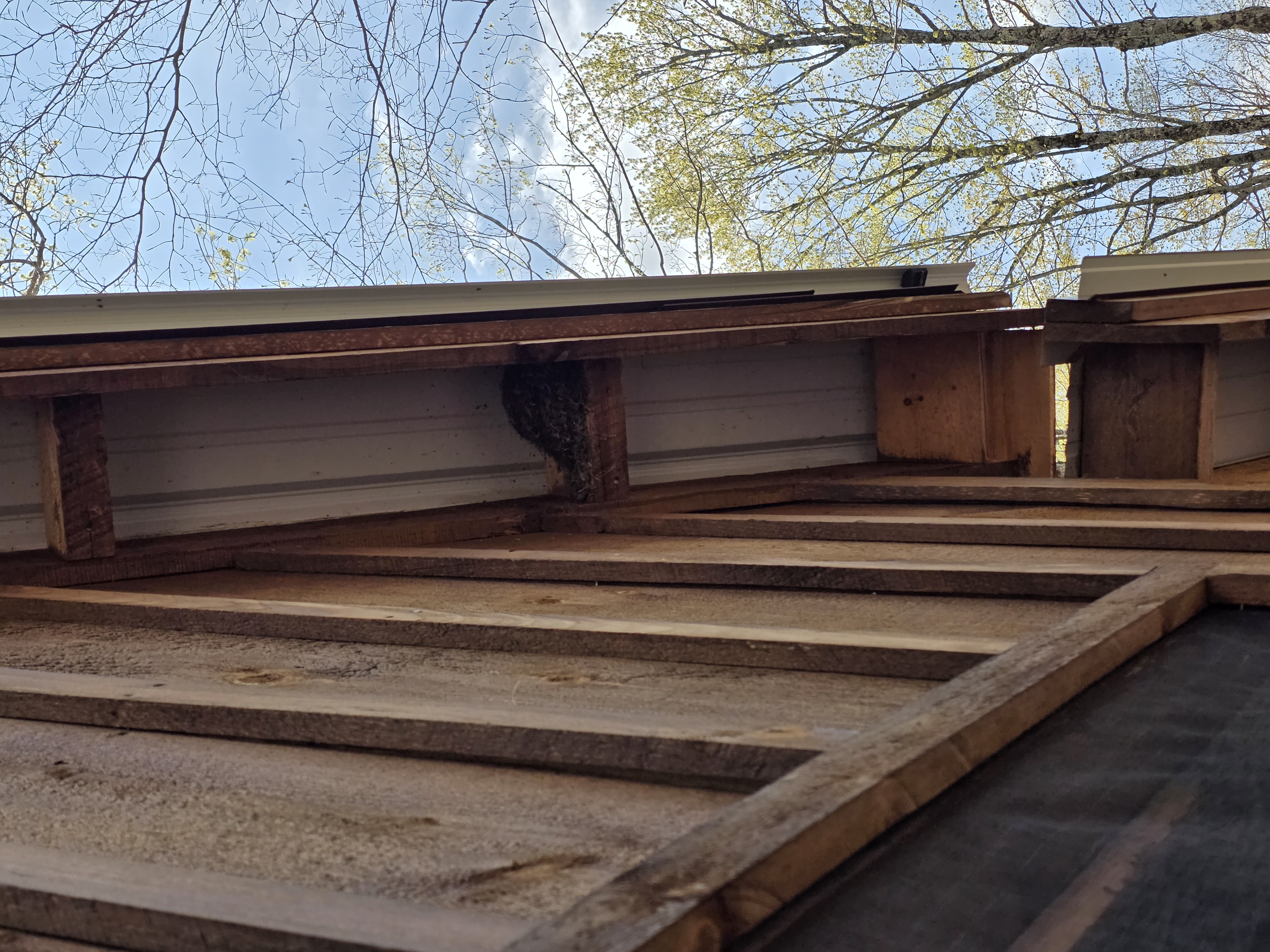
Above that, an Eastern Phoebe fixed a mud nest to the barn rafters. The pitch looked almost too steep, but the bird made a ledge out of it. Mud, moss, beam, shelter.
Two birds. Two strategies.
One low in the ground layer.
One under the roofline.
The Place is not only backdrop. It is breeding structure.
FIELD RECORD: Dark-eyed junco and Eastern Phoebe nesting confirmed.
EVIDENCE: Ground nest / nest-tending behavior; barn rafter mud nest.
CERTAINTY: Confirmed.
THE CAMERA SAW IT FIRST
The nesting attempt was long over, and I realized I could now return without disturbing the bird. I went over to see whether I could relocate the nest.
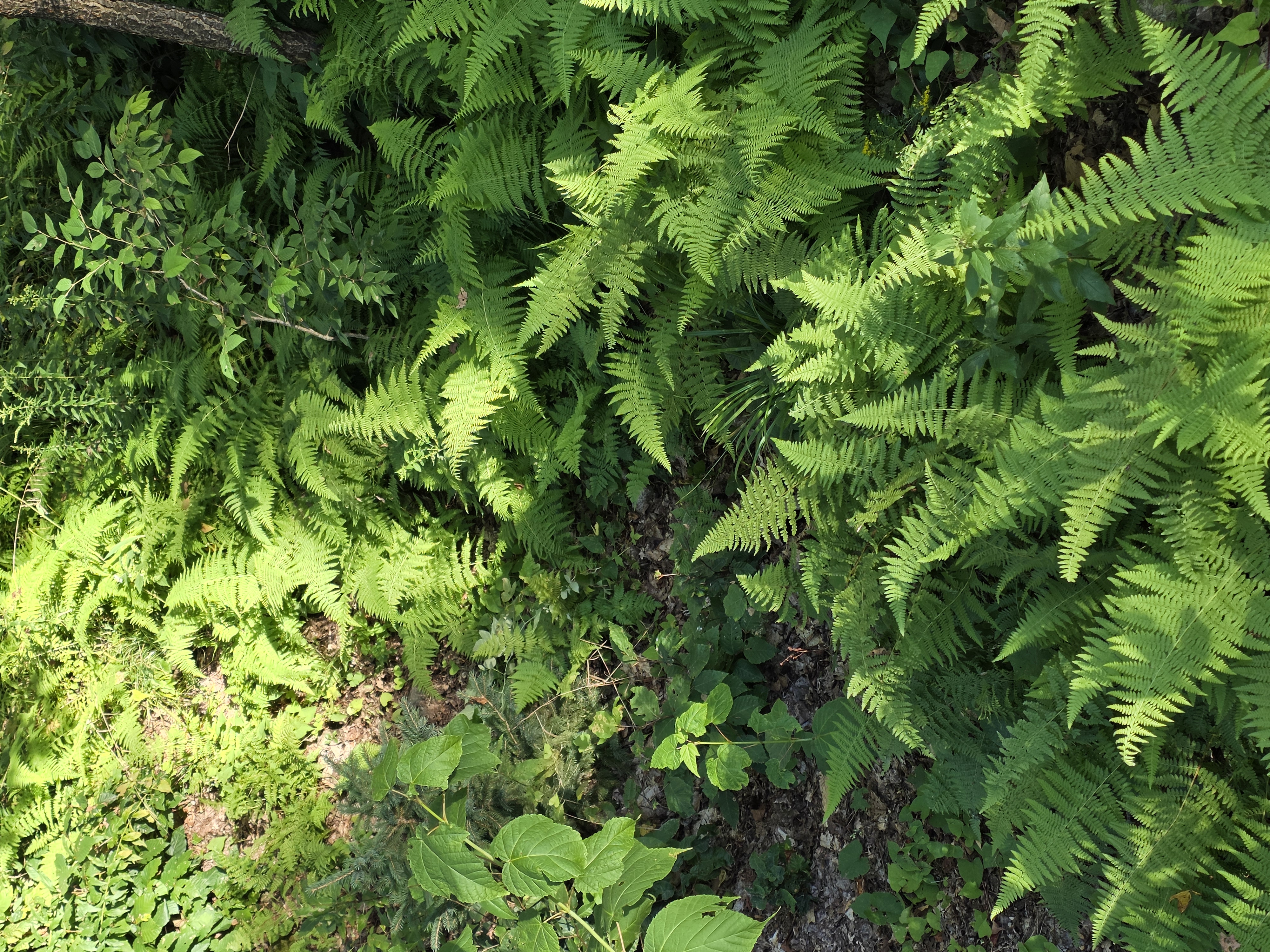
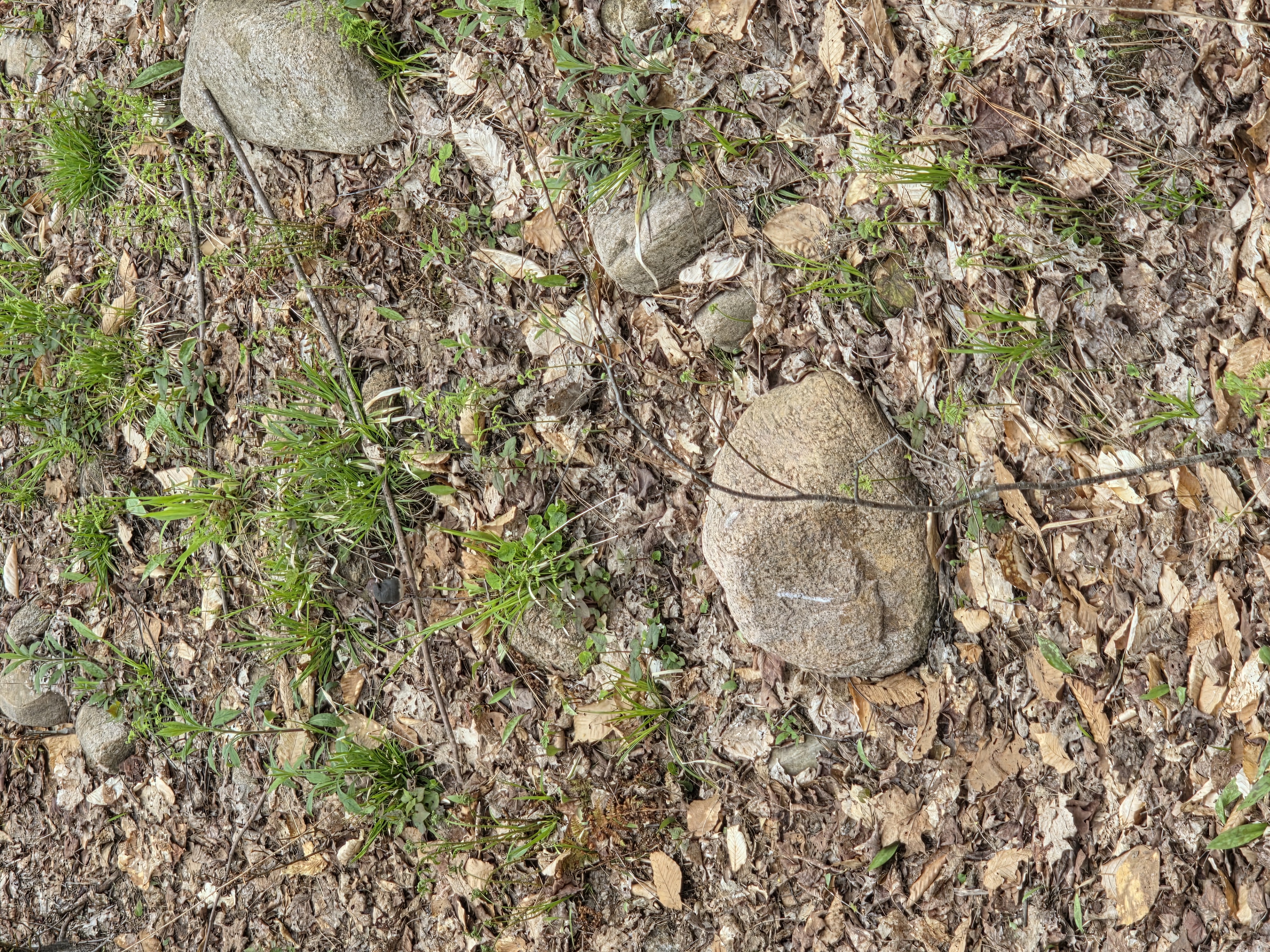
It was still there. Even knowing where to look, I could barely distinguish it from the surrounding leaves, grass, and forest floor. In the first photograph, the nest is dead center and nearly disappears into its surroundings.
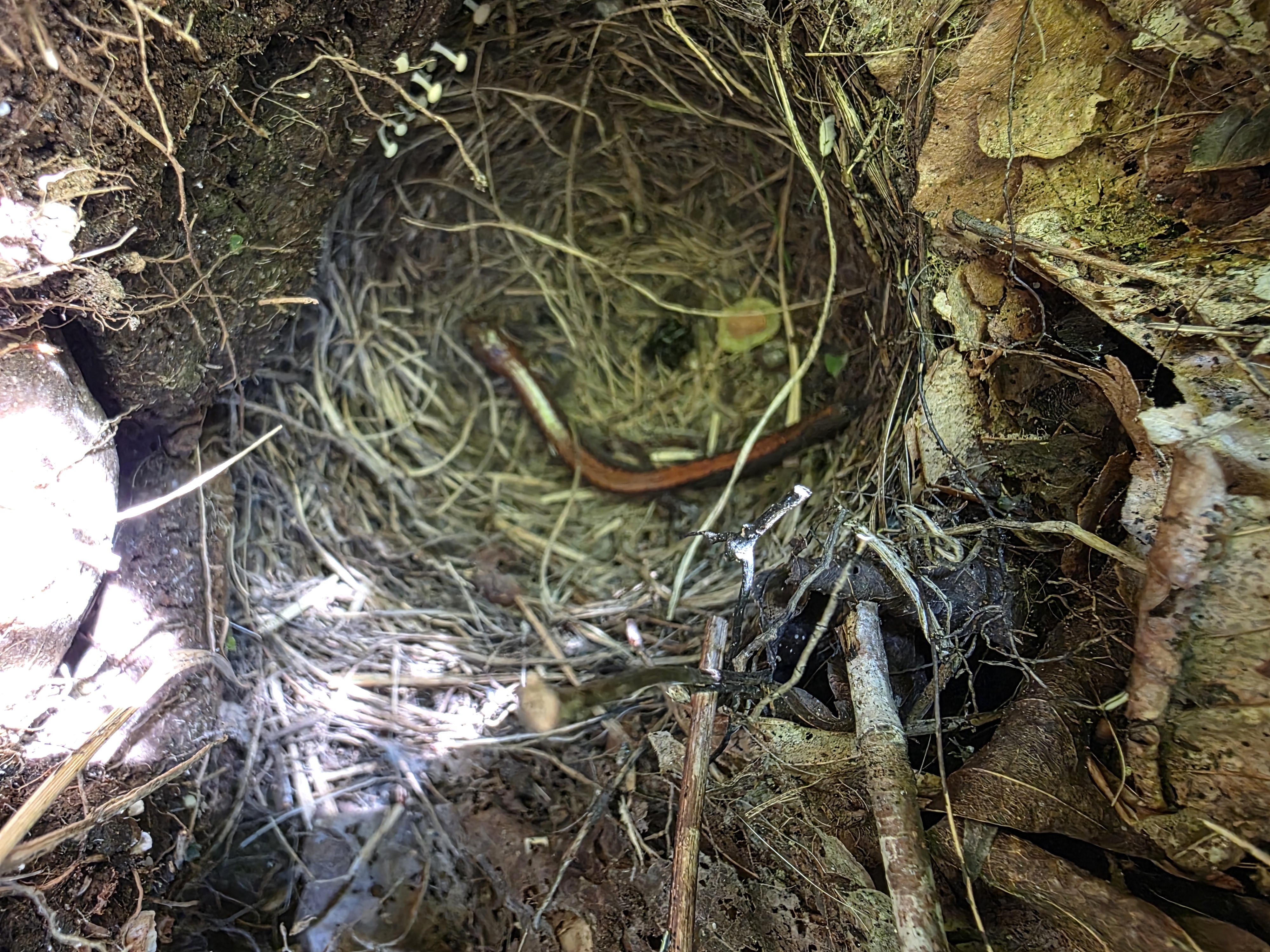
I lowered the camera into the opening and took a second photograph. I did not see anything move and did not know an animal was there. Only when I examined the photograph did I find an Eastern red-backed salamander bent within the abandoned nest.
The photograph cannot tell me whether the salamander had taken shelter there or was simply passing through. It records only what was present at that moment: a nest constructed and concealed by a junco in spring, still holding its shape in late summer, with a salamander inside it.
The camera saw it before I did.