THE ROOM I WOULD NOT ENTER
What rose last night was not only a fight.
It was a room.
That is what I keep coming back to. The cage, the lawn, the lights, the audience, the flags, the uniforms, the executive presence, the money, the cameras, the men knowing they were inside the room and wanting the rest of us to know it too.
It was not just a sporting event.
It was a successful public staging of camaraderie.
That word has been sitting with me.
Camaraderie.
Not friendship exactly. Not kindness. Not even teamwork. Camaraderie is the room recognizing itself. It is the shared nod, the shared joke, the shared enemy, the shared permission. It is the knowledge of who belongs before anyone has to say it out loud.
That is what I never joined.
I have known work camaraderie. I knew it in nursing: shift camaraderie, pressure camaraderie, competence under fatigue. Women nurses beside me in emergency rooms and critical care units, each of us moving inside the same hard practical sequence. That kind of camaraderie did not require me to become one of the boys. It did not ask for my whole identity. It required the work to be done.
Other rooms asked for more.
There is a kind of male camaraderie I have recognized all my life and never entered cleanly. Flag-heavy, white, backward-looking, sure of itself. It may smile. It may help. It may call itself brotherhood. But it carries a price. There are assumptions folded into it. Who is mocked. Who is protected. Who is owned. Who gets called one of the boys.
I was never sure I was one of anybody’s boys.
But maybe that was not the real question.
I am not sure I was looking for entry. Sometimes I only got close enough to look in, the way my brother and I looked into bar doors in New Orleans when we were too young to go in and loose for a few hours with a little money in our pockets. We were outside, looking through the opening at rooms age alone kept us from entering, though I am not sure I would have stayed anyway.
A glimpse was enough.
There were rooms. There were tests. There were uniforms. There were authorities.
I am not sure there was a door I would have wanted to keep open.
I volunteered for the Marines. My parents had to sign. They did. I went in far enough to be processed. I took the final written test and then stood in line in my underwear with the others, waiting for the physical. Then someone came in and called my name.
Nolan. You’re out of here.
I had failed the test.
The math test, apparently. Geometry had already been a problem for me. It would take me two years to finish it after I returned to school. The machine did not ask what I had survived, what I was trying to enter, whether I was lost, angry, useful, scared, willing, or looking for a door. It measured me through one narrow gate and sent me out.
I came home. I returned to high school. I finished what I had to finish.
After high school, I went to the South because my brother was there. That was when I worked at Weyerhaeuser. That was where I became the damn Yankee.
The damn meant something.
The town had a square, a literal square, with a gazebo in the middle, roads around it, stores around the roads. At that age the thing to do was drive around the square, maybe peel off down a back road, maybe drag race.
One night I came home around midnight after working the evening shift. A deputy sheriff pulled me over. He came up with a flashlight and blasted it in my face.
“Oh,” he said. “I thought you were one of my boys. You can go.”
He thought I was Black.
That sentence stayed.
I thought you were one of my boys.
It was not an offer of belonging. It was a moment of racial sorting. He had pulled over the person he thought he saw. Once the light hit my face and I was not who he thought I was, I was released from whatever consequence had been waiting there.
Someone else might not have been told to go.
At work I was not part of the white group. I did not eat with them. I did not converse with them. I did not hang out with them. I ate in the break room where most of the hired hands were Black, and I liked that room better. We played checkers on break. The work was work, the town was the town, and I was still the northerner, but there were people there I could sit with without surrendering myself to the white room.
There was a forklift operator named Kenny Jones, an older Black man with a limp. He helped me more than once outside work and taught me some mechanics on an old 1956 three-quarter-ton Chevy I had: six-volt battery, start button on the floorboard, column-shift three-speed, straight six. It was a hell of a truck.
I do not tell that to make myself noble. I did not change the system. I did not defend everyone who needed defending. I do not know if I could have. I was young, out of place, and mostly trying to get through my own life without being swallowed by someone else’s room.
But I can say this: when that room was available, I do not think I ever wanted to be allowed into it. Not really. I knew who I did not want to sit with. I knew where the better human contact was. I remember Kenny’s name.
Now I look at the current national direction and I feel the old rooms assembling at scale. Larger lights. Larger flags. Larger permission. A cage on the lawn. Power watching itself perform. Men inside the room grinning because the room is theirs.
And my first private sentence is not elegant.
Don’t fuck with me.
That is not revolution. It is perimeter.
It means I have lived mostly at the edge of your rooms. Maybe I was invited into some of them. Maybe I could have stayed longer than I did. But I know the pattern. Sooner or later, I faded from the room or the room gave me away.
Do not demand my obedience.
Do not mistake my quiet for consent. Do not mistake my isolation for availability.
But the sentence does not end there.
Because I know there are many being fucked with.
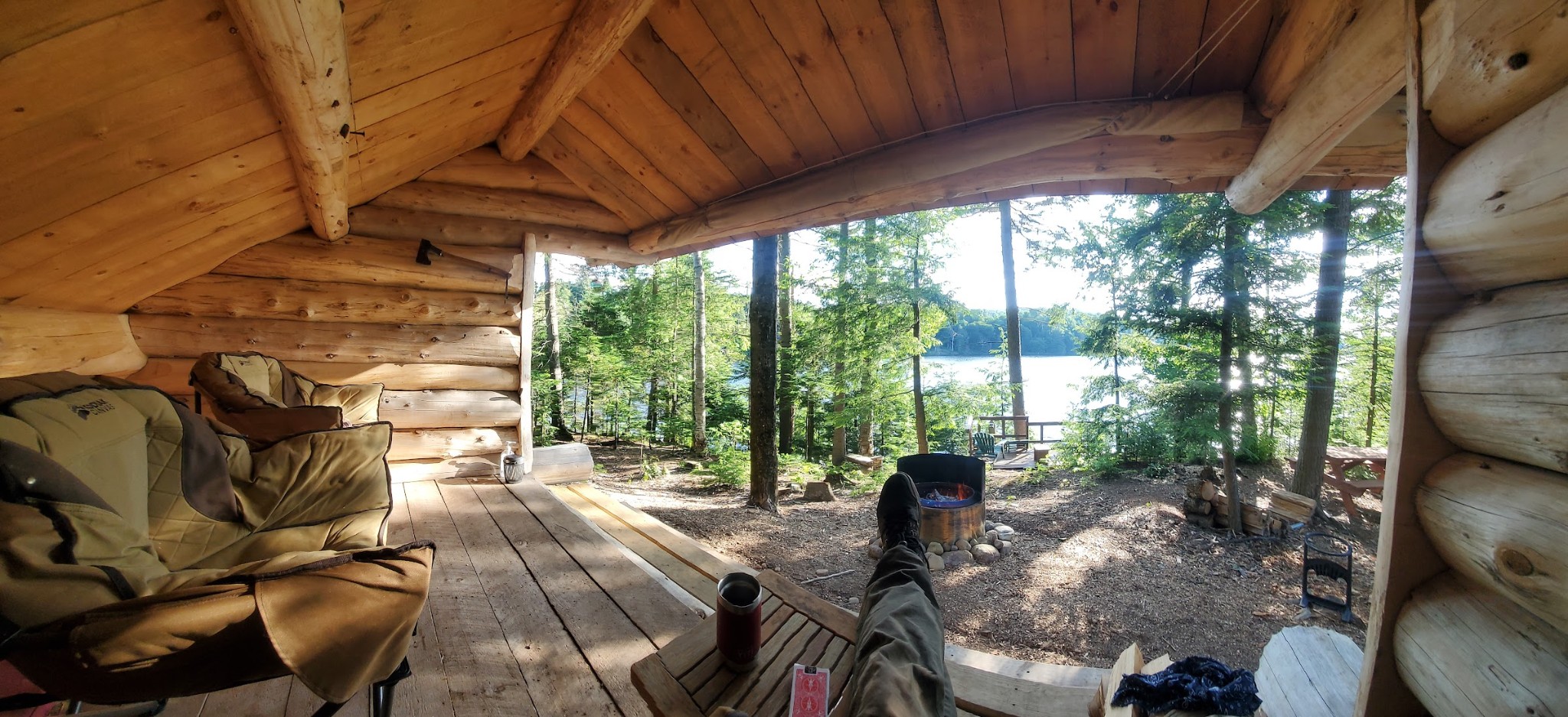
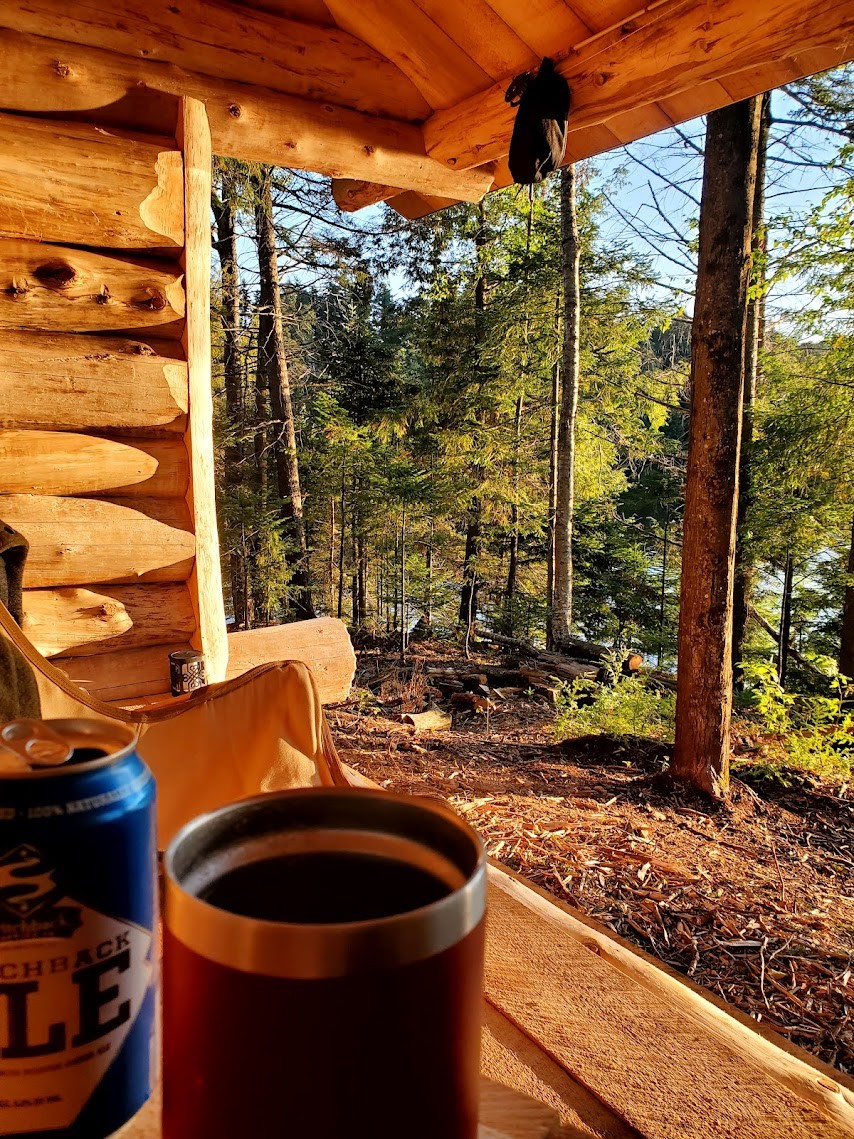
That is the moral pressure. I may have passed through cracks. I may have aged past drafts and registrations. I may have failed tests that kept me from one machine and been too old for another when the machinery restarted. I may have landed here, at the place, with the barn, the dock, the lean-to, the pressure glass, the woodpile, the tools, and the record.
Others do not pass through.
Others are named. Stopped. Sorted. Registered. Removed. Priced out. Worked down. Made afraid. Pulled into systems they did not choose and cannot simply avoid.
So I do not get to pretend my isolation is purity.
It may be survival. It may be accuracy. It may be the oldest shape of my life. But it is not innocence.
I did not stop acting. I stopped believing every scale was mine to answer.
The national room can stage itself without me. It can fill itself with comrades, cameras, uniforms, donors, slogans, and men who recognize each other. From a distance I may even look admissible to them. Older white man. Rural place. Barn. Truck. Fishing. Tools. Weather. The surface record might let me stand near the entrance.
The longer record would give me away.
The damn Yankee. The failed Marine test. The geometry. The Black break room. Kenny Jones. The nurses. The work camaraderie that did not require me to become one of the boys.
That trail only goes so far.
Then there is the other record.
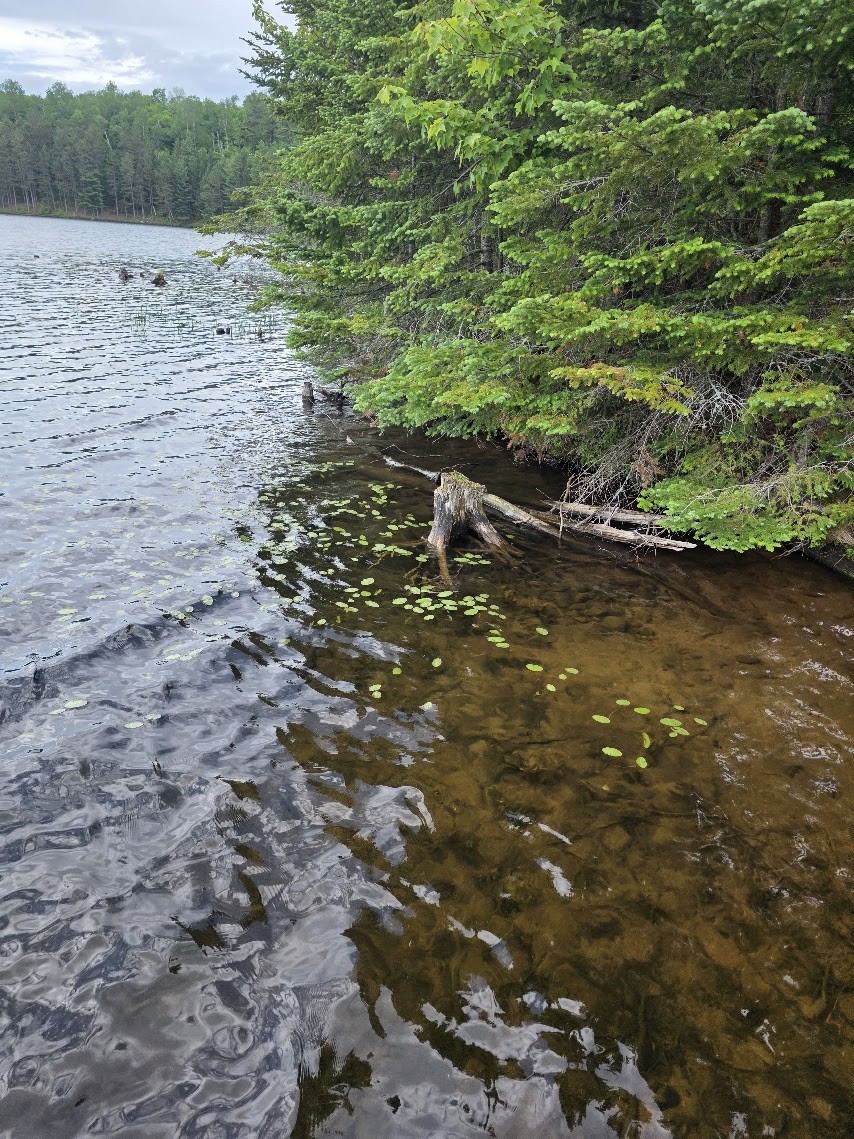
Water was another room, but not one that cared whether I belonged. It did not admit me. It did not reject me. It only held the evidence.
That is the record I learned to trust. Not because it was gentle. Not because it excused me. Because it could be tested.
The riffle either held the insects or it did not. The EPT count was there or it was not. The mayflies, stoneflies, and caddisflies did not adjust themselves to public language. The water could be called good while the sample said otherwise. The official sentence could soften the damage, but the tray still held what the tray held.
The pond does not accept slogans, and the insects do not care what the room declares.
The garden answers to soil, saturation, and season.
The barometer falls whether anyone salutes or not.
That is why I come back to the ground under my feet. Not because the ground is pure. Not because the place frees me from the larger world. It does not. The larger world reaches everywhere eventually.
But here, the record can still be touched. Here, an observation can still be checked against mud, water, silt, gravel, leaf, root, fish, rain.
I did not know what was before, and I will not know what is after.
Between those limits, I have this ground. This season. This work. This record.
That is not the whole world.
It is the part where my hands still reach.
ANOTHER ROOM I WOULD NOT ENTER
It brought back another episode that belongs with this page.
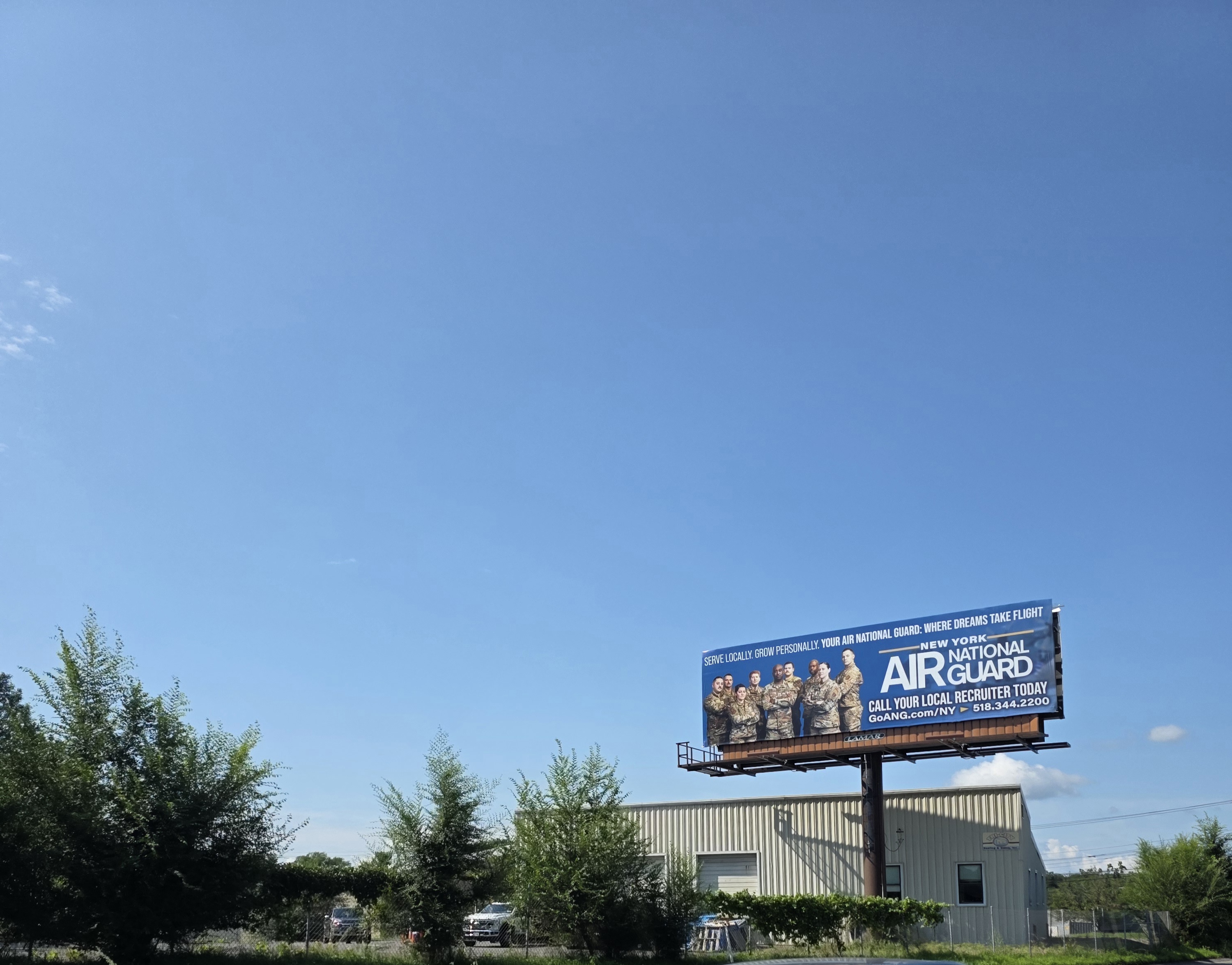
By then I had been working as a registered nurse for more than a year and had emergency-room experience. I had a nursing degree, and I was considering the Air National Guard specifically as a flight nurse. I would have been entering through the Nurse Corps as a commissioned officer rather than as an enlisted airman.
The Scotia unit was close by. The flying appealed to me. The additional money was attractive too. After working in emergency nursing, the idea of using that experience in a flight-nursing role sounded genuinely interesting.
So I went for the interview.
As I remember it, everything went well. They seemed interested, and there did not appear to be any significant obstacle to my joining.
Then, near the end of the interview, I was told that I would have to shave my beard.
That ended it.
My older children were still young then, roughly early-teen and preteen, and neither of them had ever seen me without a beard. I remember laughing and saying something close to, “Well, I guess that’s the deal breaker. That ain’t happening.”
I got up and left.
Seeing the billboard today carried me immediately back from that episode to the much earlier attempt described in the main page, when I wanted to join the Marines and did not make it because I failed the geometry portion of the entrance testing.
The two attempts ended for completely different reasons.
The first time, I was young, wanted through the door, and could not get through it.
Years later, another door was open. I had a nursing degree. I had emergency experience. Flight nursing interested me. The money was useful. The unit was nearby. I would have entered as an officer.
But there was a condition attached.
Shave the beard.
No.
One room I was not allowed to enter.
Another I would not enter.